Introduction
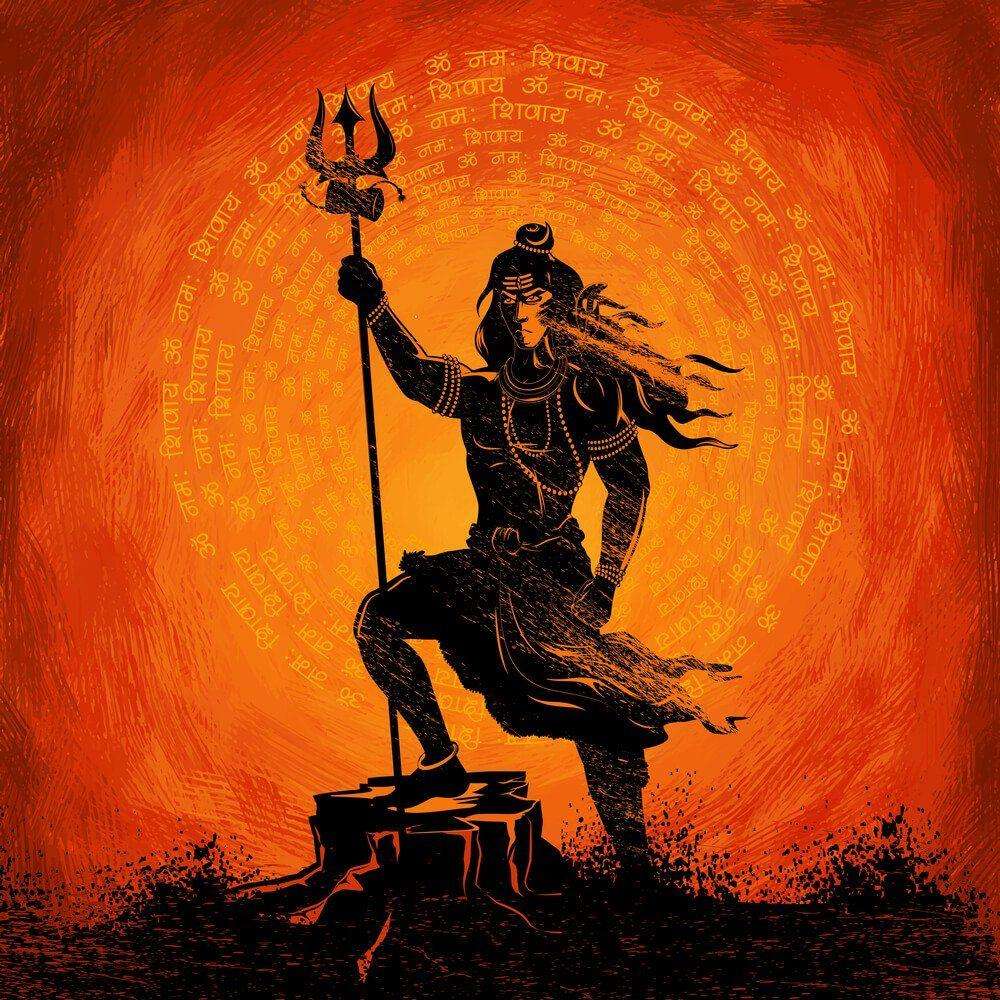
In Hindu mythology, Lord Shiva, the supreme deity, has taken various avatars or incarnations to maintain the balance of nature and existence. While the Kurma Purana mentions 28 avatars of Shiva, the Shiva Purana specifically describes 19 avatars of Lord Shiva. These avatars exemplify the diverse qualities and roles that Lord Shiva embodies. In this article, we will delve into the details of these 19 avatars, shedding light on their origins and significance.
1. Piplaad Avatar
According to legend, Lord Shiva took birth as Piplaad in the house of Rishi Dadhichi. Due to the unfavorable positioning of Saturn (Shani), the sage left his home. Piplaad cursed Shani, causing the planet to fall from its celestial abode. He later forgave Shani, with the condition that the planet would not trouble anyone before the age of 16. Worshipping the Piplaad form of Lord Shiva is believed to alleviate Shani dosha, or the adverse effects of Saturn.
2. Nandi Avatar
Lord Shiva, often depicted as the protector of herds, assumes the form of Nandi. In this avatar, he is depicted with a bull face and four hands, holding an axe and an antelope. Nandi symbolizes fertility, power, and devotion.
3. Veerabhadra Avatar
Veerabhadra is an incarnation of Lord Shiva that came into existence after the self-immolation of Goddess Sati at the Daksha yagna. Lord Shiva yanked a hair strand from his head and threw it to the ground in rage over this incident. Veerbhadra and Rudrakali were born from that hair strand. Veerabhadra is known for his fierce nature and played a significant role in disrupting the yagna and punishing Daksha.
4. Sharabha Avatar
In the Sharabha avatar, Lord Shiva assumes the form of a part bird and part-lion creature. This avatar was taken to subdue Narasimha, the fierce man-lion incarnation of Lord Vishnu. Sharabha is also known as Sarabeshwara or Sharabeshwaramurti and represents the overwhelming power and supremacy of Lord Shiva.
5. Ashwatthama
Ashwatthama is believed to be a partial incarnation of Lord Shiva. According to mythology, Ashwatthama was born when Lord Shiva consumed the Halahala poison during the churning of the cosmic ocean. Endowed with a blessing to eliminate oppressive Kshatriyas, Ashwatthama was born to Drona and Kripi.
6. Bhairava Avatar
Lord Shiva assumed the Bhairava avatar when he beheaded Lord Brahma’s fifth head. This act was in response to Lord Brahma’s falsehood in claiming superiority. As a result, Lord Shiva had to carry the skull of Lord Brahma and wander as a Bhikshatana. Bhairava represents the fierce aspect of Lord Shiva and is associated with the protection and guarding of the Shakti Peethas.
7. Durvasa Avatar
Lord Shiva took the incarnation of Durvasa to maintain discipline in the universe. Durvasa was a renowned sage known for his quick temper and adherence to strict principles.
8. Grihapati Avatar
Grihapati is an avatar of Lord Shiva that is associated with the concept of direction. Lord Shiva was born to a devoted couple, Shuchismati, and her husband. Despite being informed about his early demise due to planetary positions, Grihapati became well-versed in the Vedas. Lord Shiva blessed Grihapati, making him the lord of all directions.
9. Lord Hanuman
Lord Shiva’s infatuation with Lord Vishnu’s form of Mohini resulted in his release of seminal fluid onto the ground. The Saptarishis placed this fluid in the womb of Anjani, who gave birth to the mighty Hanuman. Hanuman is considered the greatest devotee of Lord Rama and serves as a symbol of strength, devotion, and loyalty.
10. Vrishabha Avatar
In the Vrishabha avatar, Lord Shiva assumed the form of an ox. This incarnation occurred during the Samudra Manthan (churning of the cosmic ocean), when Lord Vishnu created an illusion of captivating beauties to distract the asuras (demons). While the asuras were captivated, Lord Shiva, in his Vrishabha avatar, eradicated the immoral sons fathered by Lord Vishnu and restored balance.
11. Yatinath Avatar
Lord Shiva took the Yatinath avatar to test the devotion of a tribal man named Aahuk and his wife, who were ardent devotees of Lord Shiva. In this form, Lord Shiva visited their humble dwelling, and due to space constraints, Aahuk slept outside. Unfortunately, a wild animal killed Aahuk. Lord Shiva blessed them with a future life as Nala and Damyanti to console his grieving wife, assuring their reunion.
12. Krishna Darshan Avatar
In the Krishna Darshan avatar, Lord Shiva emphasized the importance of rituals and yagnas in one’s life. Nabhag, a prince deprived of his rightful share of the kingdom, was entrusted by his father with assisting a sage in conducting a yagna. Upon completing the task, Nabhag was stopped by Lord Shiva in his Krishna Darshan avatar, who highlighted the significance of spiritual attainment and salvation.
13. Bhikshuvarya Avatar
This incarnation of Lord Shiva safeguards humanity from various dangers and threats. In the Bhikshuvarya avatar, Lord Shiva takes the form of a wandering ascetic or beggar. This incarnation of Lord Shiva holds immense significance and represents various aspects of spiritual growth and detachment.
14. Sureshwar Avatar
In the Sureshwar avatar, Lord Shiva and Goddess Parvati appeared before Upamanyu, the son of sage Vyaghrapaad, disguised as Indra and Indrani. Testing Upamanyu’s devotion, they asked him to cease his penance and stop worshipping Lord Shiva. Unperturbed, Upamanyu remained steadfast in his dedication, pleasing Lord Shiva and earning the name Sureshwar.
15. Kirateshwar Avatar
During his meditation, Arjuna encountered Lord Shiva as a hunter, or Kirat. This encounter occurred when Arjuna was targeting an Asura disguised as a boar. A dispute arose between Arjuna and Kirat over who struck the boar first. A battle ensued between Arjuna and Lord Shiva in his Kirat form. Impressed by Arjuna’s valor, Lord Shiva bestowed upon him the powerful Pashupata Astra.
16. Suntantarka Avatar
Lord Shiva assumed the Suntantarka avatar to seek the hand of Goddess Parvati in marriage from her father, Himalaya. This incarnation highlights the determination and efforts of Lord Shiva to win the love and acceptance of Goddess Parvati.
17. Brahmachari Avatar
In the Brahmachari avatar, Lord Shiva tested the resolve of Goddess Parvati to marry him. This incarnation emphasized the importance of celibacy, discipline, and purity on the path of spiritual enlightenment.
18. Yaksheshwar Avatar
During the Samudra Manthan, when the deities became arrogant after defeating the Asuras, Lord Shiva created an illusion of grass to humble them. The deities failed to cut the grass, symbolizing the eradication of their pride. Lord Shiva, in this form, came to be known as Yaksheshwar.
19. Avadhut Avatar
The Avadhut avatar of Lord Shiva was taken to teach Lord Indra a lesson in humility. By assuming this form, Lord Shiva crushed the arrogance of Lord Indra and reminded him of the importance of humility and respect.
Conclusion
The 19 avatars of Lord Shiva manifest his diverse qualities and roles in maintaining the balance of the universe. Each avatar carries a distinct symbolism and significance, offering valuable lessons and guidance to devotees. By understanding and worshiping these avatars, we can deepen our connection with Lord Shiva and embrace the virtues and teachings they embody.
Remember to approach your spiritual journey with reverence and devotion, seeking the blessings and grace of Lord Shiva in all his divine incarnations.