

Why should we go to temples?

Whenever I check out temples or try to get a bird’s-eye view on Google Earth,
I’ve always spotted these things:
- Temples are always located in the mountains, at the seashore, or inside caves. Where energy available from magnetic and electric wave distributions of north or south pole thrust
- The Garbha griha never has ventilation.
- Always have a fixed shape of an idol or Linga inside the garbha griha
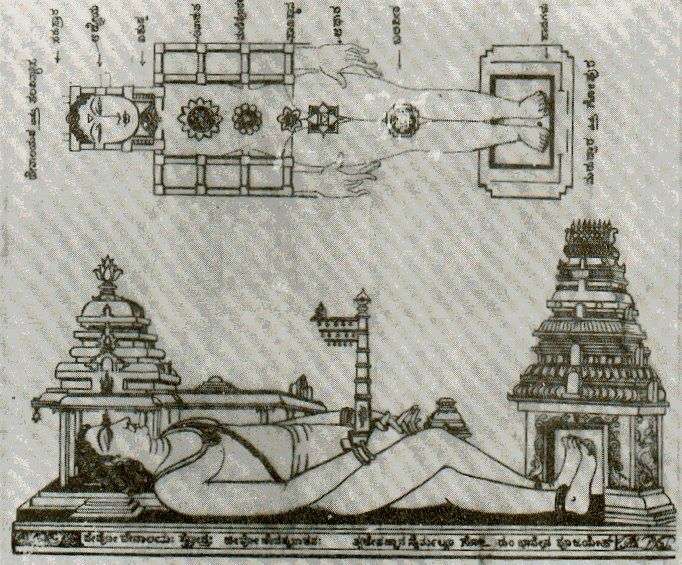
As i have previously said, the temples are built in high positive energy region mainly due to magnetic and electric wave distributions of north or south pole thrust.
The Deity or the idol is placed and the idol is placed on a copper plate in a high positive wave centric place. This *moolasthanam* is the place where earth’s magnetic waves are discovered to be most extreme.
Why Copper??
Why Copper?? and not steel? where steel is better at shielding magnetic waves.
It is believed that these copper plates absorb the magnetic force and radiates it to the surroundings.
But why in a high-energy magnetic field? Why not anywhere?
We all know that our body is made up of five elements. Now the earth element in our body has materials that are prone to magnetism as well. which means our body also reacts to the magnetic field of the earth. That’s why our mind calms down when we are on a hill or mountain, at a seashore, or inside a cave, and we feel very relaxed.
Now channelizing and controlling this energy’s impact on our body through sound waves or mantras that reflect, refract from the Garbha Griha walls and the idol/statue, and vibrate the five elements in our body, providing a healing and calming effect to our brain.
- No footwear is used inside the temple premises.
- Offering flowers and incense sticks, which impact smell,
- Lighting a light with ghee and cotton thread or lighting camphor for Aarti impacts vision.
- Bells and mantra Chanting impacts Hearing.
- Touching the flames of arti and touching the eyes impacts touch.
- Drinking the tirtham or basil-infused water, panchamrit, or charanamrit impacts taste.
After performing all the above rituals, you have to walk around the idol inside the Garbhagirha, the innermost chamber of the temple, in a clockwise direction nine times. Pradakshina means right side in Sanskrit.
But Why??
The idol inside the Garbhagriha absorbs all the energy from the bell sound of camphor heat and vibrates the positive energy within the Garbhagriha for a certain duration of time. When you perform the pradakshina now, you can absorb these positive vibrations once your senses are activated. Since the vibration within the Garbhagriha is relatively low, frequent visits to the temple and repetition of the same rituals are advised.
Different temples have different Pradakshina rules. In a Lord Shiva temple, there has to be a half Pradakshina. i.e., a 180-degree pradakshina.

Leave a Reply