

Unveiling the Marvels of Vedic Cosmology: Ancient Wisdom and Cosmic Wonders: Vedic Cosmology, Hindu Cosmology, and Cosmography are more than just intriguing topics; they are gateways to understanding the universe’s intricacies. Let’s journey through time and knowledge to explore these profound concepts.

Ancient Origins:
Modern Vedic texts, dating back to approximately 3,000 B.C.E., are the world’s oldest known scientific and religious doctrines. It’s astounding to realize that our current understanding of astronomy, which encompasses the solar system and the universe, is rooted in this ancient wisdom. This insight underscores the remarkable knowledge of astronomy that predated our contemporary civilization.
The Vedic Planetary System:

Our exploration begins with the Vedic interpretation of the planetary system. The voyage starts with the eternal planets and concludes with the temporary planetary systems scattered across countless material universes.
Balancing Spiritual and Material Realms
When delving into the concept of “cosmic manifestation,” embracing both spiritual and material existence is crucial. The spiritual realm of the planets is eternal, transcending the limitations of the material universe. This spiritual dimension is often described as “superdimensional” or “anti-material,” far beyond our conventional understanding of time and space.
The Infinite Spiritual Realms:
The Vedas unveil a world of innumerable, indestructible, and everlasting planets in the spiritual realm. However, our focus shifts to the material aspect of this cosmic tapestry.

Material Planetary Systems:
At some juncture, material planetary systems come into existence, only to meet their eventual dissolution. Time and space influence these material realms, drawing their energy from the “brahmajyoti,” the spiritual light.
Threefold Division:
The Bhagavad Gita divides the material planets of our universe into three parts: “urdhvaloka” (highest), “Madhya-loka” (middle), and “adho-loka” (lower). Beyond the highest loka lie the eternal realms.
The 14 Central Planetary Systems:
Vedic Cosmology further unveils 14 central planetary systems distributed across these three spheres, each characterized by unique standards of life and varying durations of existence. In Urdhvaloka, ailments and ageing are foreign, and fear is unknown.
The Cosmic Hierarchy:
These planetary systems include:
- Satya-Loka
- Tapa-loka
- Jana-loka
- Mahar-loka
- Svar-loka
- Bhuvar-loka
- Bhur-loka
- Atal-loka
- Vital-loka
- Sutal-loka
- Talatal-loka
- Mahatala-loka
- Rasatala-loka
- Patal-loka
The Heavenly Realm:
Above the planetary systems where humans reside in the sky, we find the orbiting sun as the gateway to heavenly planetary systems. This midpoint of the universe marks the abode of those who have achieved spiritual excellence through austerities and penance.
Realms of Spiritual Knowledge:
The planets extending up to Satya-Loka are the dwellings of those enriched with profound spiritual knowledge. According to the Vedic scripture, Hari-Vamsa, Devi (Goddess Durga), Devi-Dhama, or Devi Loka rule over these celestial realms that are a part of the physical world.
Deathless Inhabitants:
The residents of heavenly planets, known as Amara, challenge our perception of mortality, living for millions of years by our earthly standards. According to the Bhagavad Gita, one heavenly day equals a staggering 4,300,000,000 solar years, highlighting the varying sense of time across different planets.
Diverse Life Forms:
One day mirrors six Earth months across various planets, including Jupiter, Venus, and the Moon. While these planets are visible, they are often considered heavenly realms. But why do we not perceive life on these planets?
Unlocking the Dimensions

Different planets exist within distinct dimensions that elude our perception. Scientists today explore the possibility of extraterrestrial life, but the celestial spheres of these planets, inhabited by devas, angels, and superior beings, remain beyond our reach.
The Seven Oceans:
These celestial bodies host different types of oceans, as per the ancient Vedic text Siddhanta-Shiromani:
- An ocean of saltwater
- An ocean of milk
- An ocean of curd
- An ocean of ghee (clarified butter)
- An ocean of sugarcane juice
- An ocean of liquor
- An ocean of sweet water
Eternal Planets and Their Inaccessibility
Some planets remain eternal but forever inaccessible to humans within the material universe. Rudraloka, the planet of God Shiva, is one such example, known as Vishnuloka, with a circumference of 400,000 miles and inaccessible to mortals.
The Celestial Realms:
Above Vishnuloka lies MahaVishnuloka, a golden island in the saltwater ocean, where Brahma and other celestial deities occasionally meet Bhagwan Vishnu. Eastward lies the “ocean of milk,” encompassing the island of Svetadvipa, home to Lord Vishnu and Goddess Lakshmi.
Dhruvaloka and Beyond
Dhruvaloka, the polestar, rests 3,800,000 yojanas above the sun, with one yojana equaling eight miles. Beyond Dhruvaloka, we find Maharloka, Janaloka, Satyaloka, and the ultimate destination: Vaikuntha.
The Cosmic Envelope:
The outermost layer begins 260,000,000 yojanas above the sun, according to the “Vishnu Purana.” Beneath Earth lie planetary systems like Atala, Vitala, Sutala, Talatala, Mahatala, Rasatala, and Patala, residing approximately 70,000 yojanas below.
Unveiling the Depths:
Even more profound, the Garbhodaka Ocean hosts Sesa Naga, positioned 30,000 yojanas below these lower planets, with an ocean depth of 249,800,000 yojanas.
Cosmic Dimensions:
The universe’s approximate diameter spans 500 million yojanas, equivalent to 4 billion miles, measured according to the plane of existence. These measurements may extend further into the cosmic unknown.
Hierarchies and Higher Consciousness:
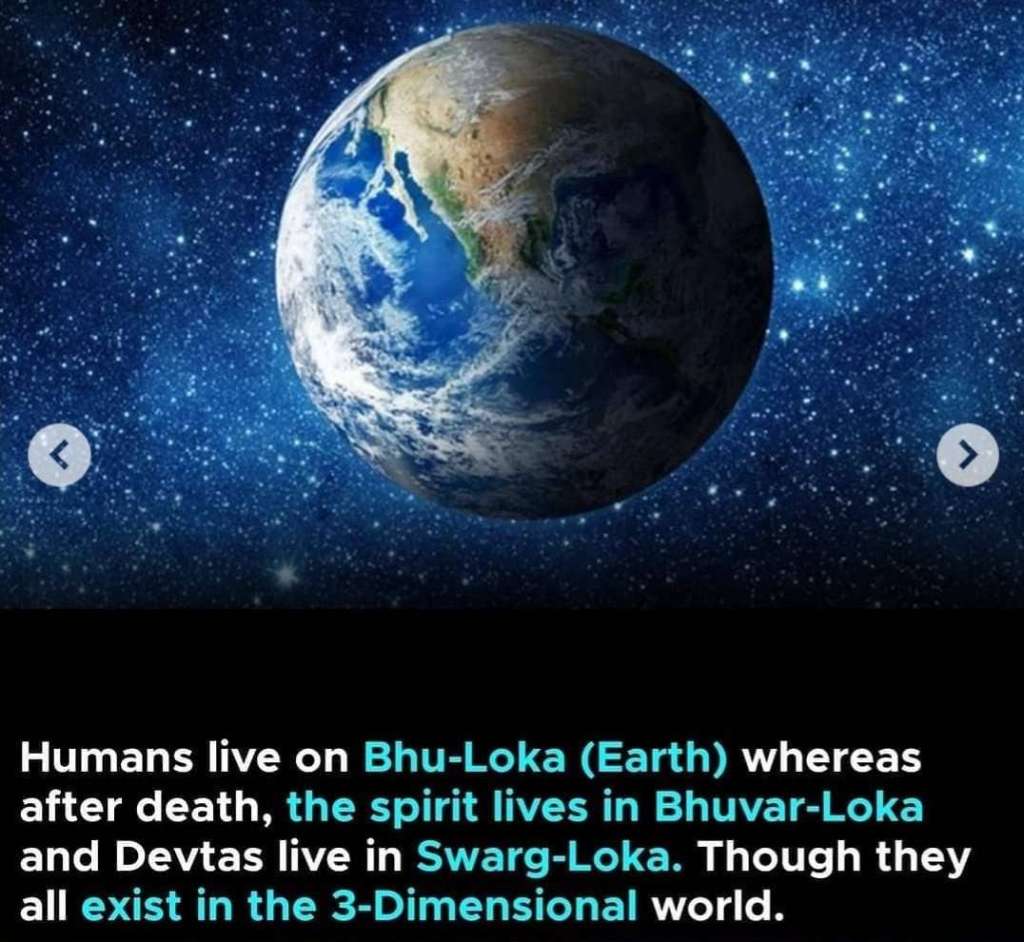
The higher planetary systems house the realms of devas, demigods, and angels. Bhuvarloka accommodates ghostly spirits, while beings of demonic consciousness populate the lower planets. As we ascend, we come across the development of higher consciousness, characterized by advanced intellectuality, starting with humans and going beyond.
Vedic Cosmology takes us on a mesmerizing journey through unveiling the Marvels of Vedic Cosmology, revealing the depth of ancient wisdom that continues to inspire our understanding of the universe.
